Amazon built enormous infrastructure to run its own store, then realized the infrastructure was worth more than the store. So it rented out the servers, the storage, the networking — and within a decade much of the internet was running on top of it. The companies building the interesting products, Netflix and Airbnb and half of Silicon Valley, no longer owned the thing they ran on. Amazon did. And it didn’t much care what you built; it owned the ground you built on.
Every major technology wave eventually creates an infrastructure layer. The internet created cloud computing. Smartphones created mobile operating systems. Artificial intelligence created GPUs, hyperscalers, and model platforms. Defense appears to be reaching the same stage—not because weapons matter less, but because every modern weapon increasingly depends on shared software, data, autonomy, and networking infrastructure.
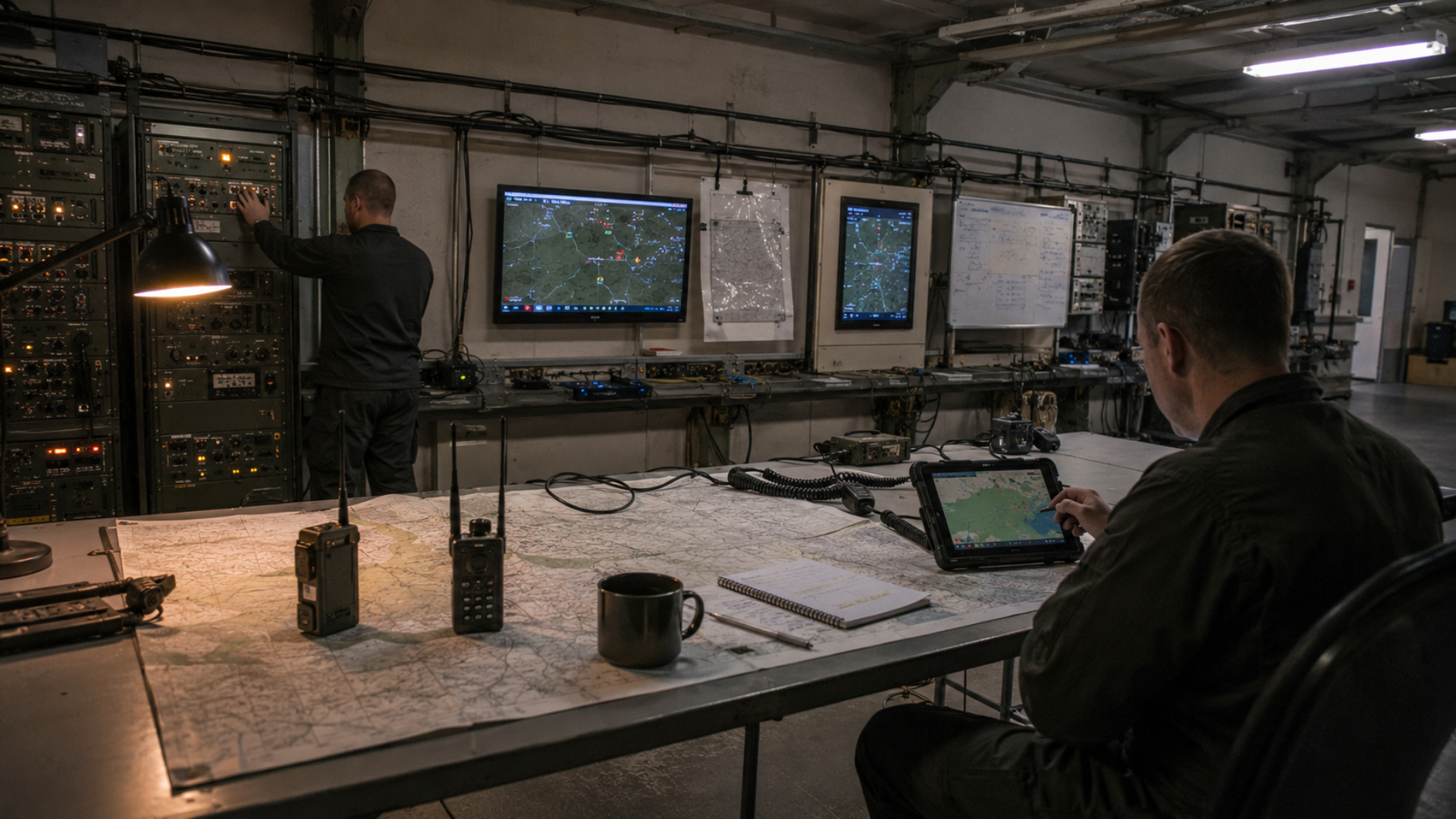
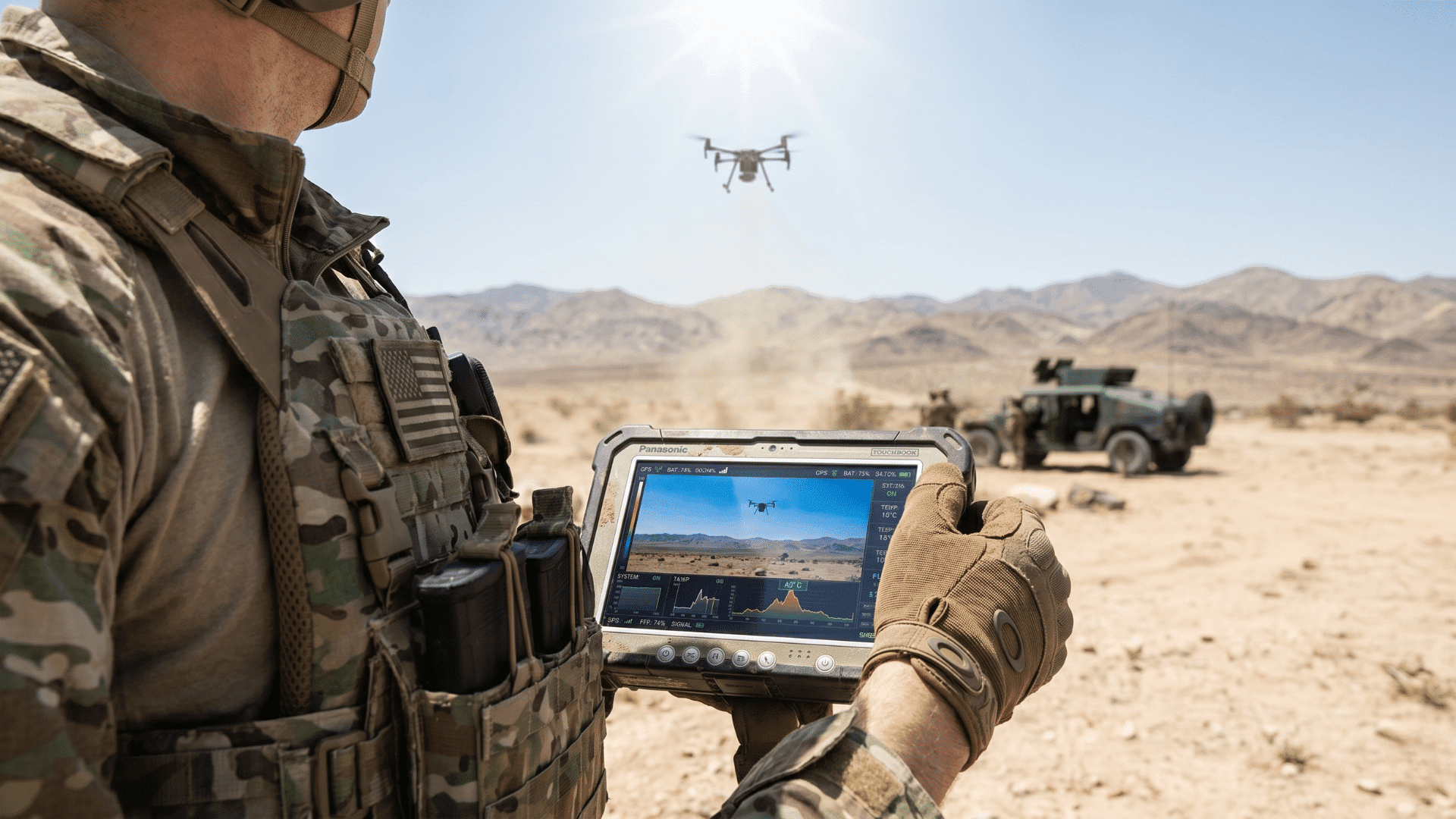
For a long time the competition was about the machine at the edge: the aircraft, the missile, the ship, the sensor. Build the best machine, win. But a modern operation isn’t one machine. It’s dozens of them, from different vendors, trying to behave as one — drones talking to satellites talking to radar talking to AI models talking to the person who actually makes the call, all in real time. The hard part is no longer building any single piece. It’s getting all of them to work together.
That’s the part that’s quietly turning into infrastructure.
Underneath every new platform sits the same unglamorous set of capabilities: moving data between systems, running autonomy, pushing software updates, orchestrating AI at the edge, holding a network together while people are shooting at it. Those capabilities aren’t tied to any single platform. Once built, they can support aircraft, drones, ships, satellites, missile defense systems, and autonomous ground vehicles alike. Build them once and they can sit beneath all of them — the same way AWS sits beneath Netflix and Airbnb without caring which is which. Whoever owns that layer stops fighting platform by platform and starts sitting beneath the entire field.
And this isn’t a forecast anymore; it’s showing up in what governments actually buy. When the U.S. Army selected Anduril to lead the Common Data Layer baseline for its Next Generation Command and Control (NGC2) program, it wasn’t buying another weapon. It was investing in a software foundation designed to connect sensors, AI applications, communications systems, and battlefield platforms into a shared operational network. The capability being treated as strategic wasn’t the hardware. It was the infrastructure connecting everything together.
Infrastructure businesses compound. Every new system that integrates into the platform increases its value to the next one. As more applications, sensors, and operators rely on the same foundation, switching becomes increasingly expensive—not because the software is impossible to replace, but because the ecosystem built around it is. That’s exactly what happened with cloud computing, mobile operating systems, and AI infrastructure.
The company that defines this era in defense may never build the best drone. It may build the thing the best drone plugs into.
That was always the real lesson of AWS.
The biggest winner wasn’t the company building the application.
It was the company that owned the infrastructure every application depended on.
breakingdefense.com/2026/06/army-picks-anduril-to-lead-next-gen-c2-common-data-layer-baseline
tandfonline.com/doi/full/10.1080/09505431.2026.2666079