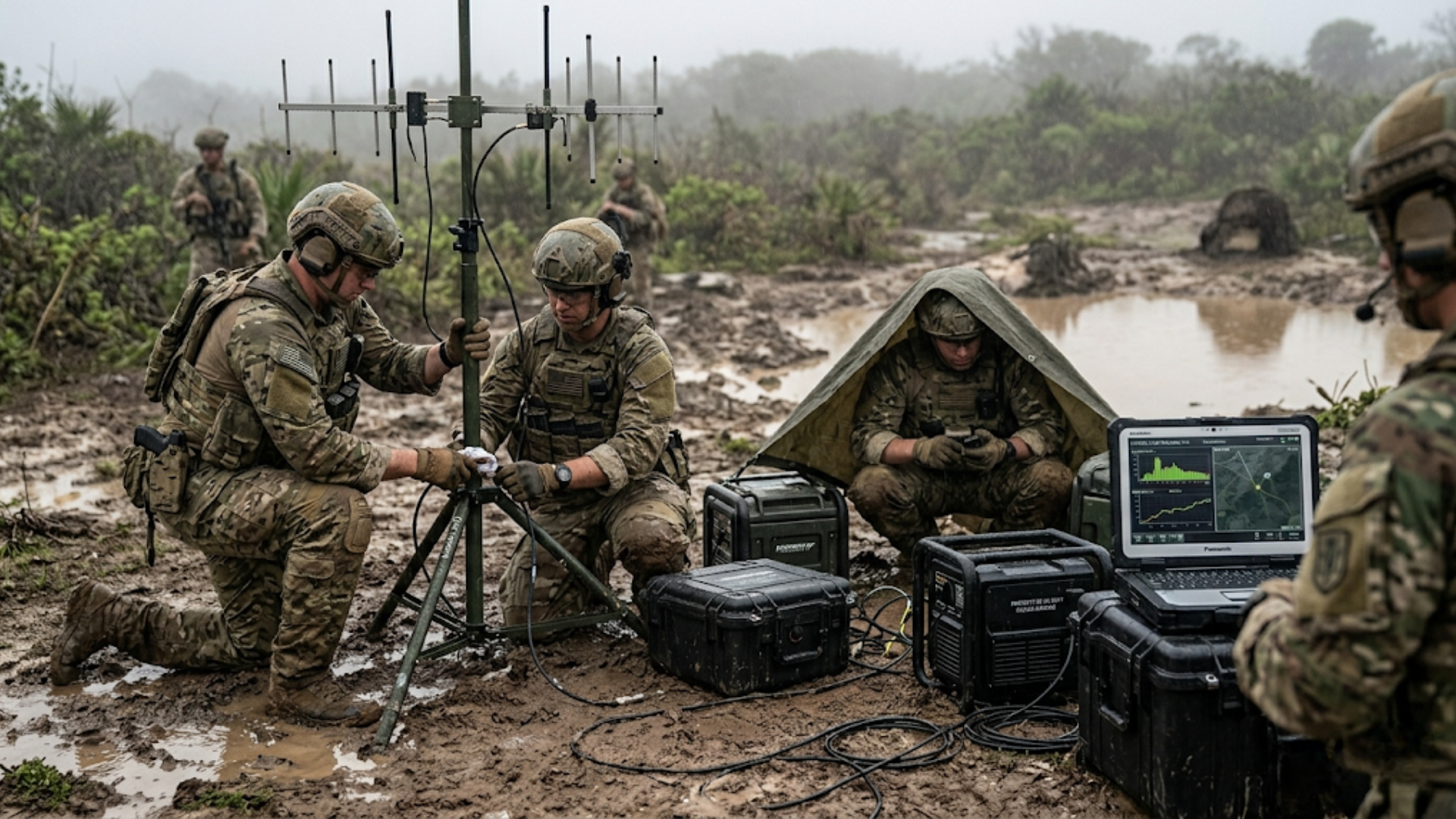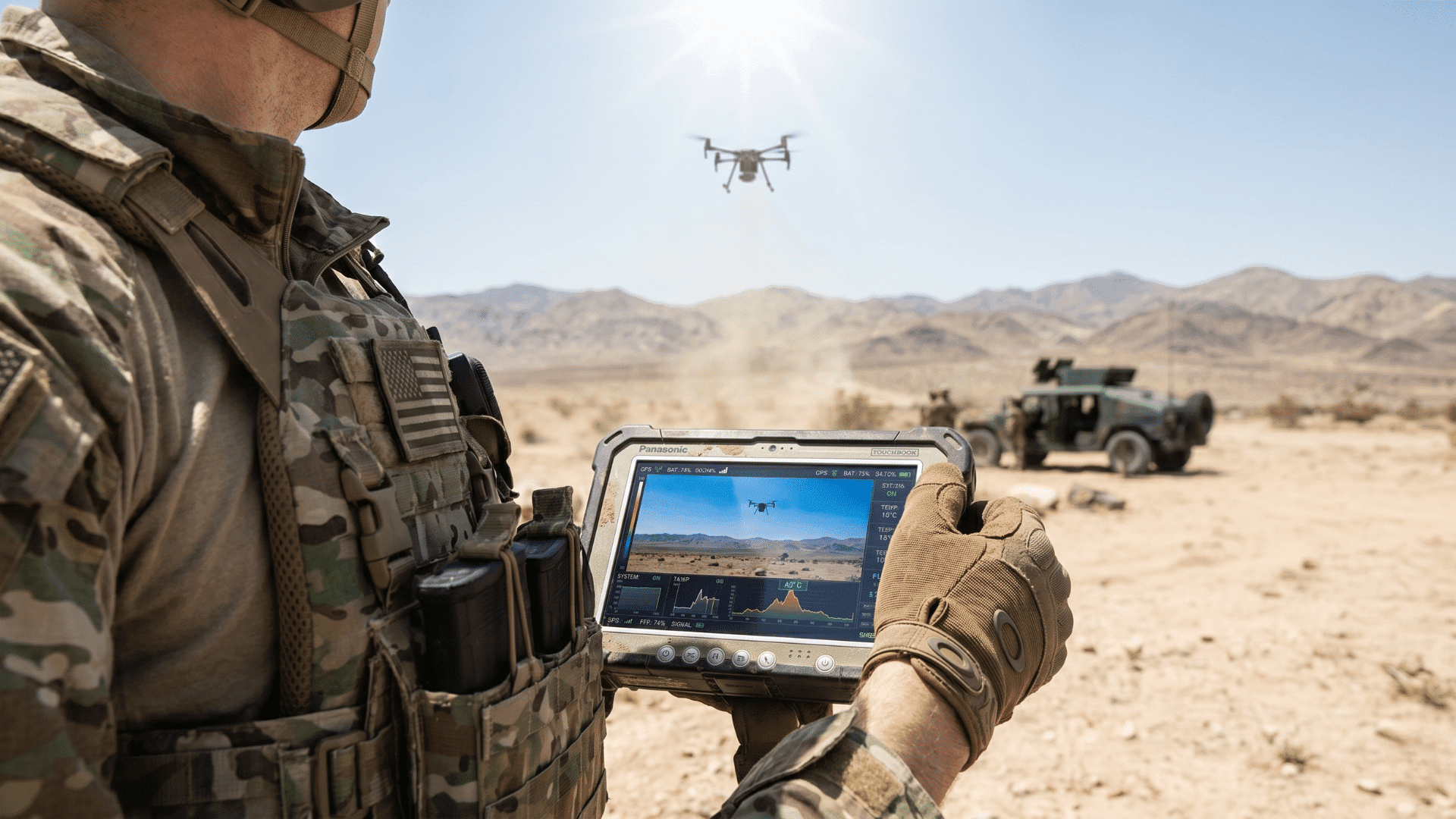
At UAX, we work with defense startups, investors, and operational teams through technical diligence and field validation processes.
A large part of our work is helping connect strong technologies with the right operators, companies, and investors — while also understanding how systems perform closer to real operational environments.
The gap between technology that looks promising in a presentation and technology that can realistically handle deployment conditions is where most of the interesting questions live.
That’s a big part of why events like SOF Week matter.
You get operators, founders, procurement teams, investors, and defense companies all in the same place — and usually the most valuable conversations happen outside the presentations themselves.
Which Technologies Actually Made It Into Real Operational Environments
The defense industry has seen an explosion of new systems over the past few years.
Once technologies move closer to deployment, completely different problems start showing up: integration issues, degraded communications, operator usability, maintainability in the field, unreliable inputs, and changing environments.
You can usually tell pretty quickly which products were shaped by operational feedback and which ones were mainly shaped around demonstrations.
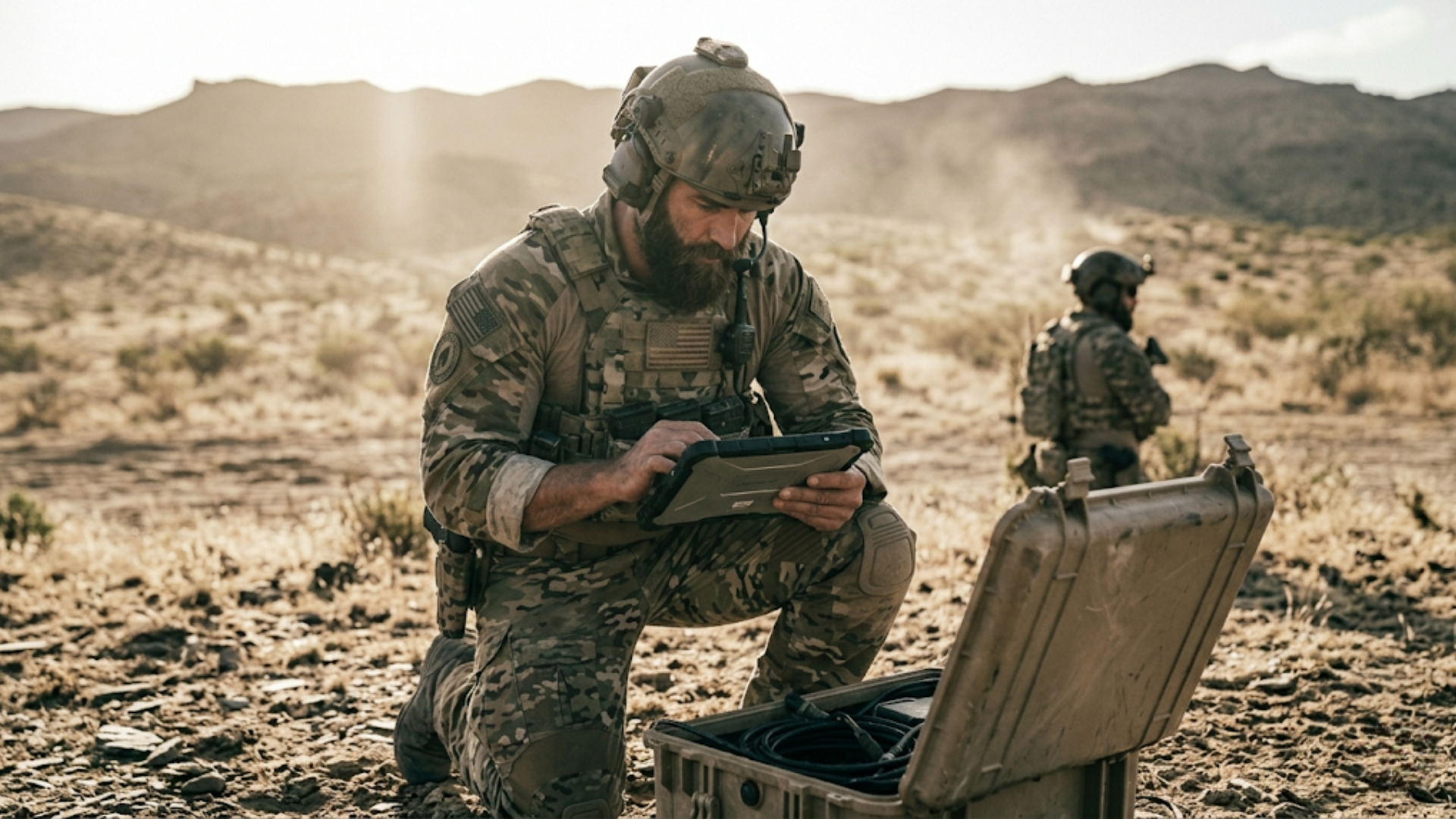
At SOF Week, that gap tends to become very visible. The conversations led by operators are usually far more interesting than polished sales pitches.
Startups That Understand Procurement Early
One thing many early-stage defense companies underestimate is how much procurement and integration shape the outcome.
Strong technology matters. But so do compliance, interoperability, manufacturing, cybersecurity requirements, and sustainment planning.
We’re increasingly seeing companies with solid technology struggle because they treated those areas as “problems for later.” Meanwhile, teams that started building around deployment realities early are usually the ones worth backing.
Where AI Is Actually Proving Itself
AI is now expanding across almost every area of defense: autonomy, ISR, logistics, EW, decision support, and unmanned systems.
But operational environments are messy. Systems break. Connectivity degrades. Inputs become unreliable. Conditions change fast.
The companies we pay the most attention to are the ones where operational feedback clearly shaped the product itself. You can often tell when a system has already been tested under difficult conditions — and when it still hasn’t.
Looking Ahead
The defense ecosystem is moving quickly, and more of the conversation is shifting toward deployment, reliability, integration, and operational effectiveness.
If you’ll be in Tampa this week and want to connect, we’d be happy to meet.
Tampa, Florida · May 2026
— UAX