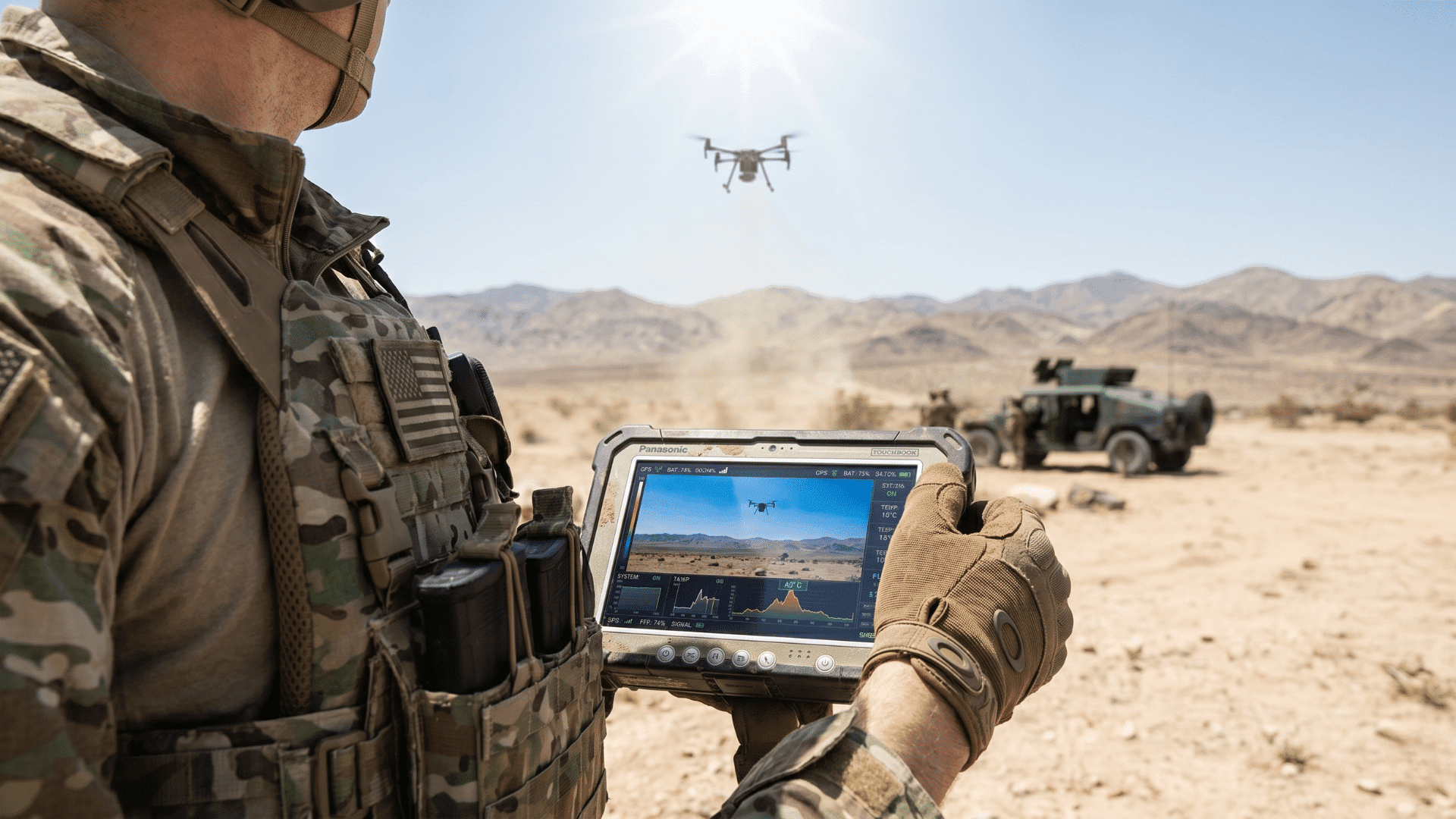
Every week brings another reminder that the sky is becoming part of our everyday infrastructure. Drones inspect bridges and power lines, survey construction sites, deliver medical supplies, assist emergency responders, and capture footage for films and events. At the same time, they ground flights at airports, smuggle contraband into prison yards, and hand governments and businesses a security problem that barely existed a decade ago.
The question is no longer whether drones will become part of everyday life. It’s how society adapts when the airspace above our cities becomes as busy as the streets below.
Twenty years ago, CCTV cameras were specialist equipment. You found them in airports, banks, military bases, and a handful of high-security facilities. Today they line highways and intersections, watch over shopping centers and schools, protect office buildings and warehouses, and quietly operate in the background of almost every major city. Nobody debates whether public spaces should have surveillance anymore. It has simply become part of modern infrastructure.
I believe counter-drone systems are beginning the same journey—not because the world is becoming more militarized, but because drones are becoming ordinary.
Like smartphones, cameras, and GPS sensors before them, drones are following a familiar technology curve: cheaper hardware, better software, increasing autonomy, and rapidly expanding adoption. Every year they carry heavier payloads, fly longer distances, and require less human input. What started as a hobbyist gadget is now an essential tool across logistics, agriculture, construction, public safety, infrastructure inspection, filmmaking, emergency response, and countless other industries.
And just as inevitably, the same technology keeps landing in criminal and hostile hands.
The projections are steep. European aviation planners at SESAR estimate that low-altitude airspace could become around ten times busier by the mid-2030s, with commercial drone fleets numbering in the hundreds of thousands and consumer drones reaching into the millions across Europe alone. Forecasts should always be treated cautiously, but the overall direction is difficult to dispute.
Urban airspace is transforming from empty background into an active, crowded layer of the city.
Unlike roads, railways, or public buildings, however, it has almost no dedicated security infrastructure.
That gap won’t stay open for long.
The early signs are already visible.
Airports now maintain formal procedures for unauthorized drone incursions because a single aircraft can delay hundreds of flights and create genuine aviation hazards. Prisons increasingly deal with drones delivering phones, drugs, and weapons directly into secure compounds. Critical infrastructure—including ports, energy facilities, logistics hubs, and industrial plants—is beginning to treat low-altitude airspace as another perimeter that requires continuous monitoring.
Even major sporting events, public gatherings, and government facilities are investing in aerial surveillance capabilities that barely existed a few years ago.
Israel offers perhaps the clearest glimpse of where this is heading. Following repeated drone threats during recent regional conflicts, officials have reportedly considered temporary nationwide restrictions on private drone flights because distinguishing between a hobby drone and a genuine threat in real time is extraordinarily difficult.
Whether those specific policies remain in place is almost beside the point.
The important signal is that governments are no longer asking whether drones represent a security challenge. They’re asking how to safely accommodate millions of legitimate flights while detecting the dangerous few.
That shift fundamentally changes the market.
For years, the focus was on building better drones.
The next major opportunity may be building the infrastructure that manages them.
But here’s the part that’s easy to miss: in most countries, you can’t legally do much about a hostile drone anyway.
Jamming it, seizing control of it, or shooting it down are tightly restricted—usually reserved for the military, police, and a handful of licensed operators. For everyone else, acting against a drone can put you on the wrong side of aviation and radio law faster than the person flying it.
That legal wall doesn’t shrink the market. It shapes it. If you can’t touch the threat, the entire value shifts to knowing about it—early, accurately, and in time to hand off to whoever is actually allowed to respond.
Think about what a modern commercial facility already installs today: CCTV cameras, access control, fire detection, intrusion alarms, and environmental sensors. It isn’t difficult to imagine persistent aerial awareness becoming another standard layer of that security stack—not because every site expects an attack, but because operating with a blind spot overhead will eventually feel irresponsible.
And this market extends far beyond military installations.
Airports, stadiums, ports, factories, hospitals, universities, schools, data centers, oil and gas facilities, logistics hubs, power plants, government buildings, and eventually entire smart cities all have a common requirement: understanding what is happening above them.
Regulation will likely accelerate this trend rather than slow it. As governments establish frameworks for routine commercial drone operations, organizations will increasingly need systems capable of distinguishing authorized traffic from suspicious activity. Managing trusted drones will become just as important as detecting hostile ones.
That’s why I don’t think of counter-drone as a military product anymore.
I think it’s becoming civilian infrastructure.
And the most valuable systems won’t simply intercept drones.
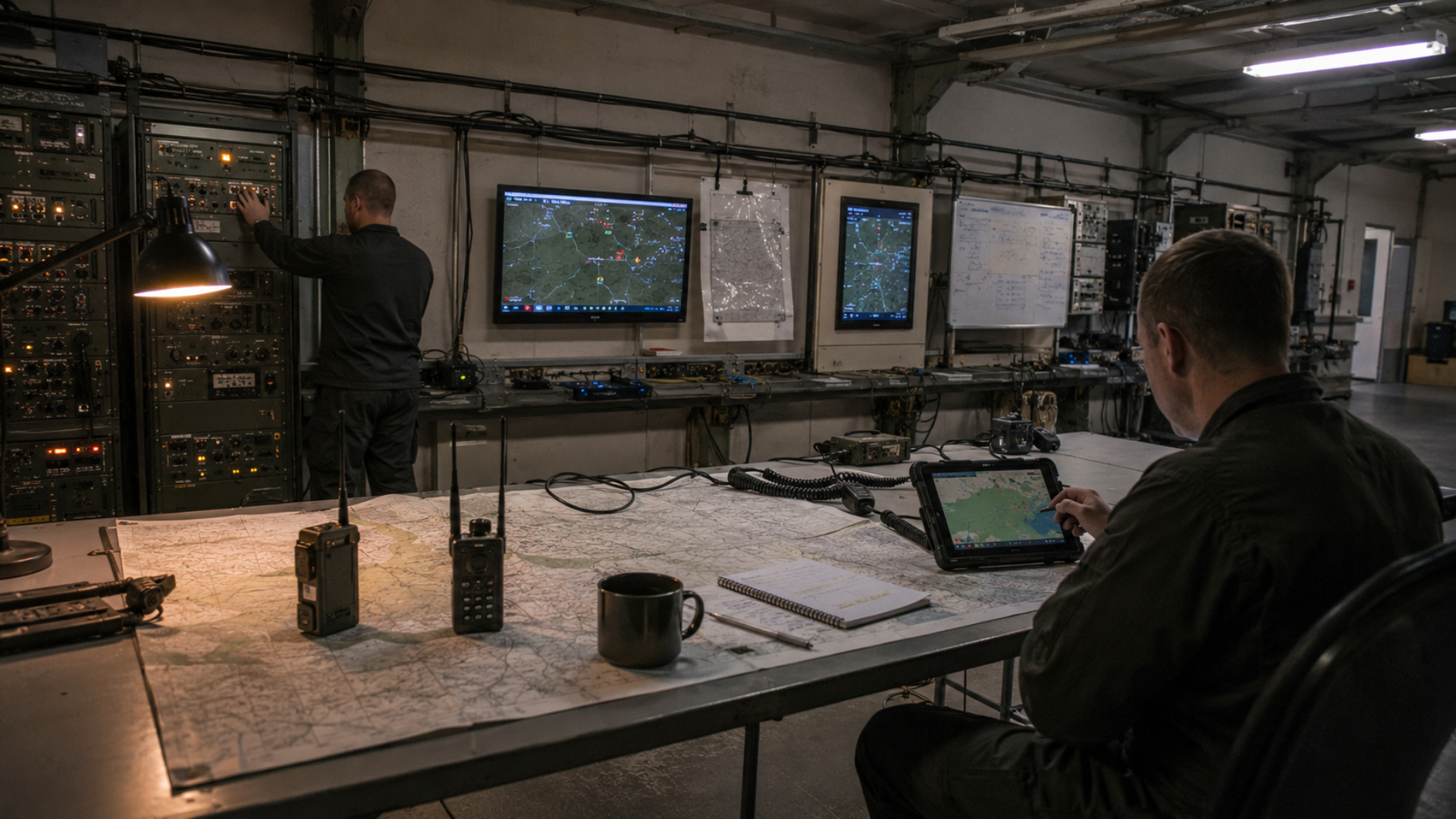
They’ll detect them, identify them, classify them, predict intent, fuse radar, RF, optical, acoustic, and other sensor data into a single operational picture, and integrate directly into the security platforms organizations already use.
The companies that dominate this market may never manufacture a single drone.
Instead, they’ll build the AI that distinguishes routine operations from genuine threats. They’ll develop the sensor fusion platforms that transform fragmented signals into actionable intelligence. They’ll create the command-and-control software that gives operators one coherent view of increasingly crowded skies.
Every major technological shift creates its own supporting infrastructure.
The automobile created traffic lights.
Aviation created air traffic control.
Mass drone adoption will create aerial security infrastructure.
We didn’t install CCTV cameras across our cities because every building expected to be robbed.
We installed them because visibility became essential infrastructure.
The same thing is beginning to happen in the sky.
Counter-drone systems won’t become commonplace because every organization expects an attack.
They’ll become commonplace because every organization will need to know what’s flying above it.
And within a decade, a building without aerial awareness may feel just as exposed as a building without cameras does today.