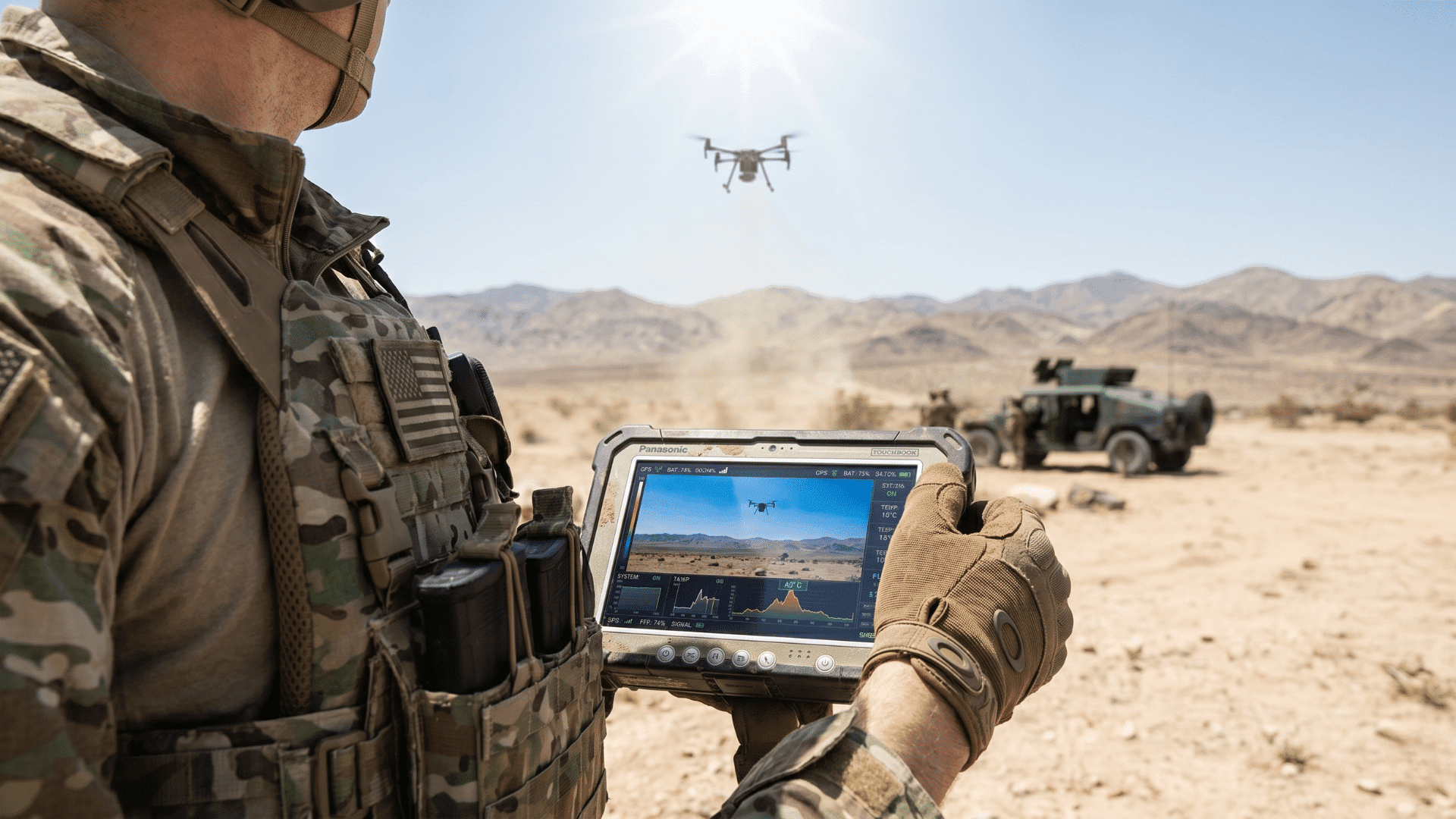
For most of the last decade, defense innovation has been measured by the platform what flies farther, what sees better, what operates more autonomously. The spotlight has been on drones, autonomous systems, AI-powered targeting, and next-generation aircraft.
But another trend is quietly emerging, and it has little to do with the weapon itself.
It's about the ability to build it.
Every Technology Revolution Creates an Infrastructure Layer
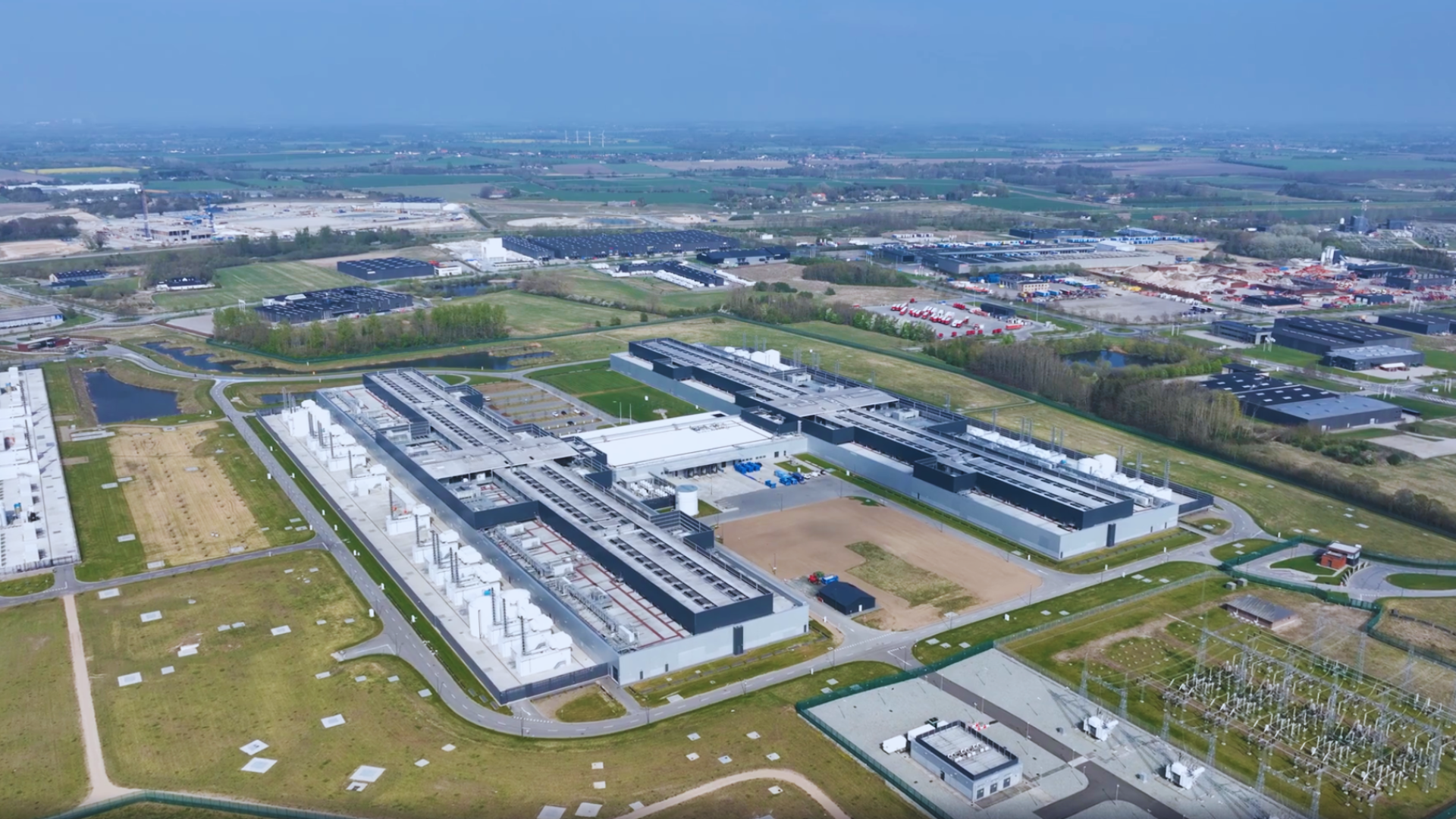
The AI boom didn't just create model companies. It created an entirely new layer beneath them—GPUs, data centers, networking, and power infrastructure.
The companies enabling AI turned out to be just as important as the companies building it, and in some cases even more valuable.
Defense may be entering a similar phase.
Not because weapons matter less, but because the infrastructure behind them is becoming a competitive advantage of its own.
The Real Risk Isn't the Product ,It's the Line
During a recent technical diligence we conducted for a well-known venture capital firm at a manufacturing facility in New York, we saw this firsthand.
The company had a strong product, real customers, and an active production pipeline. They were raising capital to expand operations and accelerate growth.
But our conclusion was different.
We told the investors that if they were writing the check, they should add a digit or two to it—not for engineering, but for manufacturing.
If the company were awarded an order for 10,000 units to be delivered within six months, we weren't convinced its production capacity could support it.
That conversation stayed with us. The product wasn't the risk. The line was.
The product wasn't the risk. The line was.
And that's the shift underneath all of this: manufacturing is no longer just an industrial challenge. It's becoming a technology problem.
For decades, it was treated as the former.
Today, a new generation of startups is treating it as the latter.
They're building AI-native factories, industrial robotics, software-defined production systems, digital quality control, and automated machining.

Instead of asking how to design a better drone, they're asking how to manufacture thousands of precision components with greater speed, consistency, and flexibility.
That may sound less exciting.
It could turn out to be just as important.
The Signals Are Already There
Several startups are already building businesses around this idea.
Hadrian develops AI-powered manufacturing facilities focused on aerospace and defense production.
Machina Labs applies robotics and AI to automated metal forming for defense and advanced manufacturing, backed by investors including Lockheed Martin Ventures.
What's notable is that neither is trying to compete with the defense primes.
They're building capabilities the broader industry can plug into , not replacing defense manufacturers, but becoming part of the industrial stack behind them.
Looking Beyond the Platform
Defense investing has naturally gravitated toward platforms, the next aircraft, the next autonomous vessel, the next drone.
Those opportunities remain enormous.
But every platform depends on an ecosystem that receives far less attention: factories, production software, industrial automation, manufacturing intelligence, and supply-chain technology.
History suggests these enabling layers often become valuable markets in their own right.
The Investment Question
The more interesting question may no longer be:
Who builds the next great defense platform?
It may increasingly become:
Who builds the infrastructure that allows the entire industry to scale?
Every major technology cycle creates new bottlenecks.
Sometimes the biggest opportunities come from solving them.
At UAX, we believe the next generation of defense innovation won't be defined only by the systems deployed in the field.
It may also be defined by the companies building the industrial capabilities behind them—the factories, the software, the robotics, and the production infrastructure.
Those companies may never appear in promotional videos or dominate the exhibition floor.
But over the next decade, they could become some of the most important businesses in the defense ecosystem.
It's the capability we now look for in every diligence—and increasingly, the question we believe defines the opportunity.