This week, the heads of several of the world's largest economies sat down with the people who run some of the world's most important AI companies. The coverage framed it as a meeting about artificial intelligence. I think that misses what was actually on the table. The conversation was about power, and who gets to hold it.
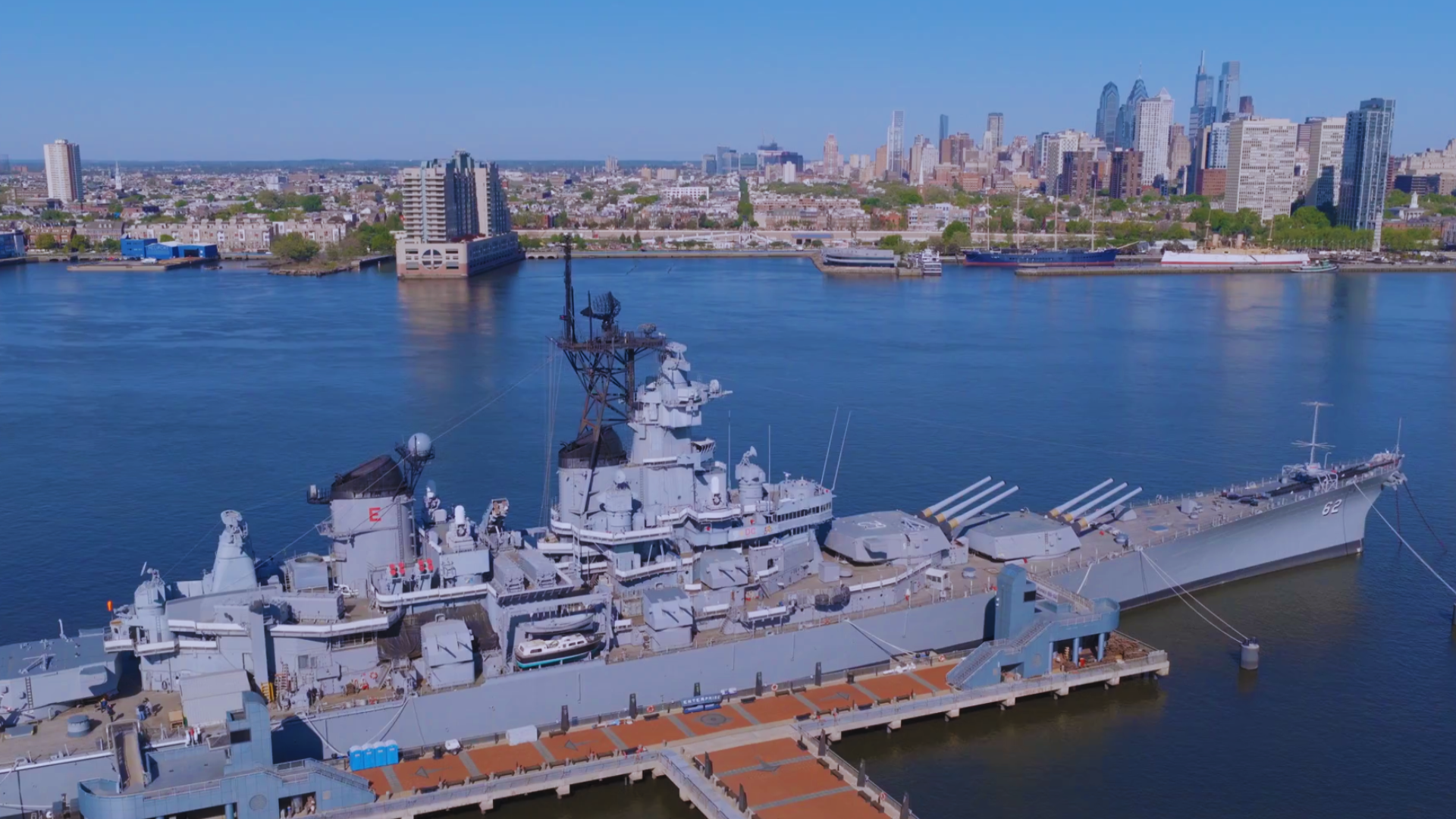
For most of modern history, the things that made a country powerful were built and owned by the country itself. A nation that wanted a bigger navy built shipyards. One that wanted to control the skies built air bases. A government chasing nuclear weapons built its own enrichment facilities. Whatever sat underneath national strength was, almost by definition, national.
That assumption is quietly coming apart. Some of the most capable AI systems on earth don't belong to governments. Neither do the largest compute clusters, or the infrastructure being laid down to support them. More and more of it is owned by private companies answering to private incentives, and that should strike us as strange. For decades these were ordinary businesses, built to serve customers and reward shareholders. Now a handful of them have ended up holding capabilities that look strategic in the old, geopolitical sense of the word, not because they set out to, but because the technology outgrew the category it started in.
A few years ago we filed AI under "software." Today, governments are arguing over who should be allowed access to frontier models, who counts as a trusted partner, and what it would mean for those capabilities to land in the wrong hands. That is not a software debate. It has the shape of an early national security debate, before anyone has agreed to call it one.
If a government believed a foreign power controlled a critical naval chokepoint, it would treat it as a strategic emergency. If a rival held its energy supply hostage, the same alarms would go off. Yet many nations are now discovering that some of the infrastructure likely to shape future economic and military power sits outside their direct control altogether.
Not in another country. In another corporation.
What I find more revealing is where the money is going. Most capital is crowding into the visible layer: the next model, the next defense startup, the next drone or autonomous system. History suggests that's rarely where the biggest returns hide. Military revolutions don't usually start with the weapon. They start with the groundwork. Airfields existed before aircraft reshaped war. Enrichment plants came before nuclear deterrence meant anything. Cyber became strategic only after years of investment in networks, technical schooling, and the units that knew how to use them. The weapon is the visible outcome. It arrives at the end of a much longer process.
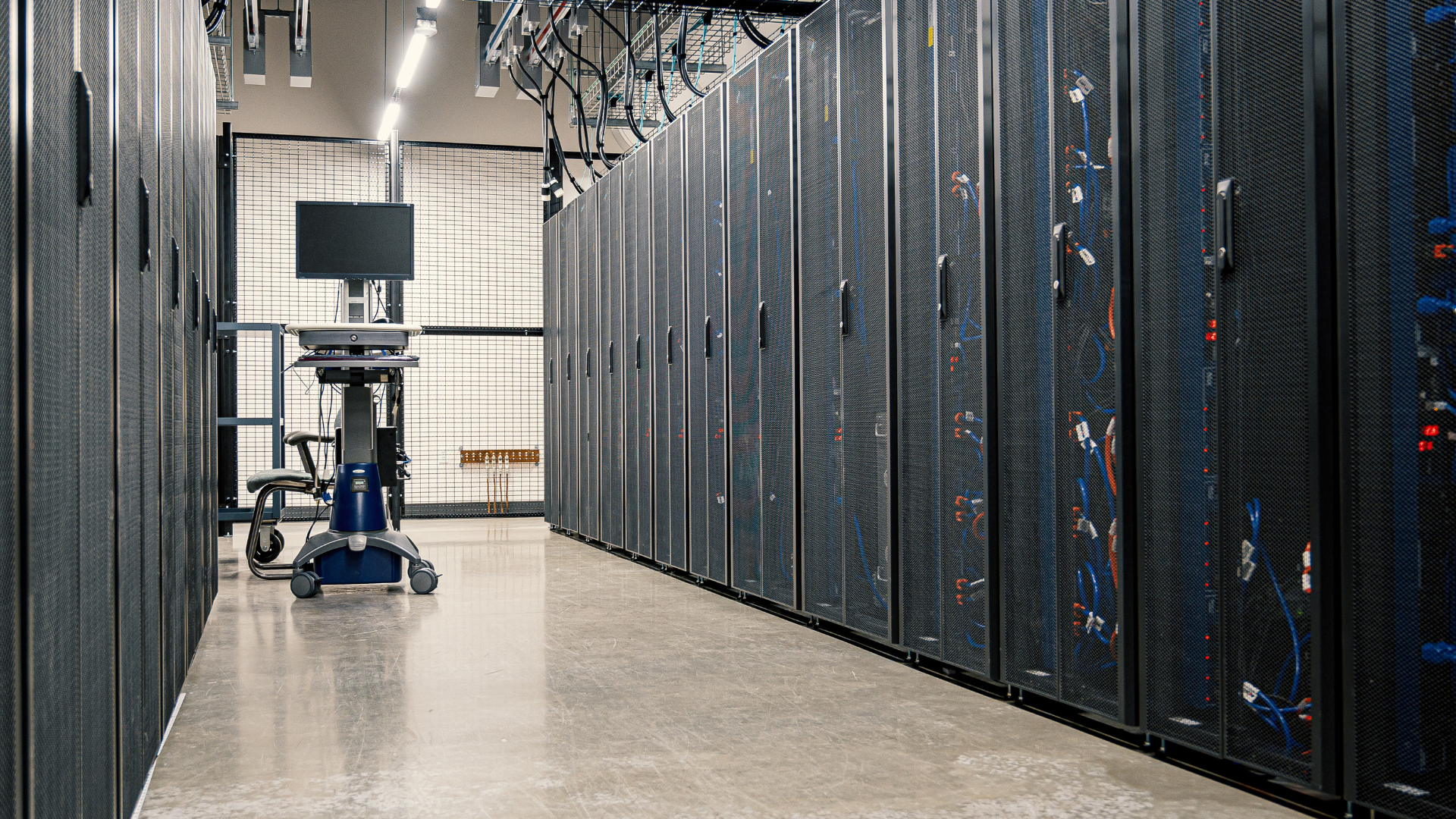
So I suspect we're asking the wrong question. It isn't who will build the next great AI company. It's who is building the foundation that every future AI, robotics, and defense company will be forced to rely on. The firms wrestling with power constraints inside data centers. The teams solving how to cool them. The companies expanding advanced manufacturing, or shortening the time it takes to stand up new compute. Mostly these are names you haven't heard yet.
Wars tend to be settled long before any shot is fired.
Spend enough time around defense and a pattern becomes hard to ignore: wars tend to be settled long before any shot is fired. They're settled in factories, supply chains, energy grids, and industrial capacity. The weapon is just the last and most visible expression of advantages a country accumulated years earlier.
Which returns us to the question governments are only beginning to sit with. What happens when the infrastructure behind national power no longer sits under national control? The question is no longer who owns the next weapon. It's who owns the factories, the grids, and the compute every future weapon will require. Those are not always the same people. Increasingly, they may not even be the same countries.